
Surveying
Every finding pinned to the place it describes.
Surveying practices use Pin Drop for condition, damp, asbestos, boundary, topographic, measured building and drainage surveys, with the evidence held on the location it came from.


One map behind every survey you issue.
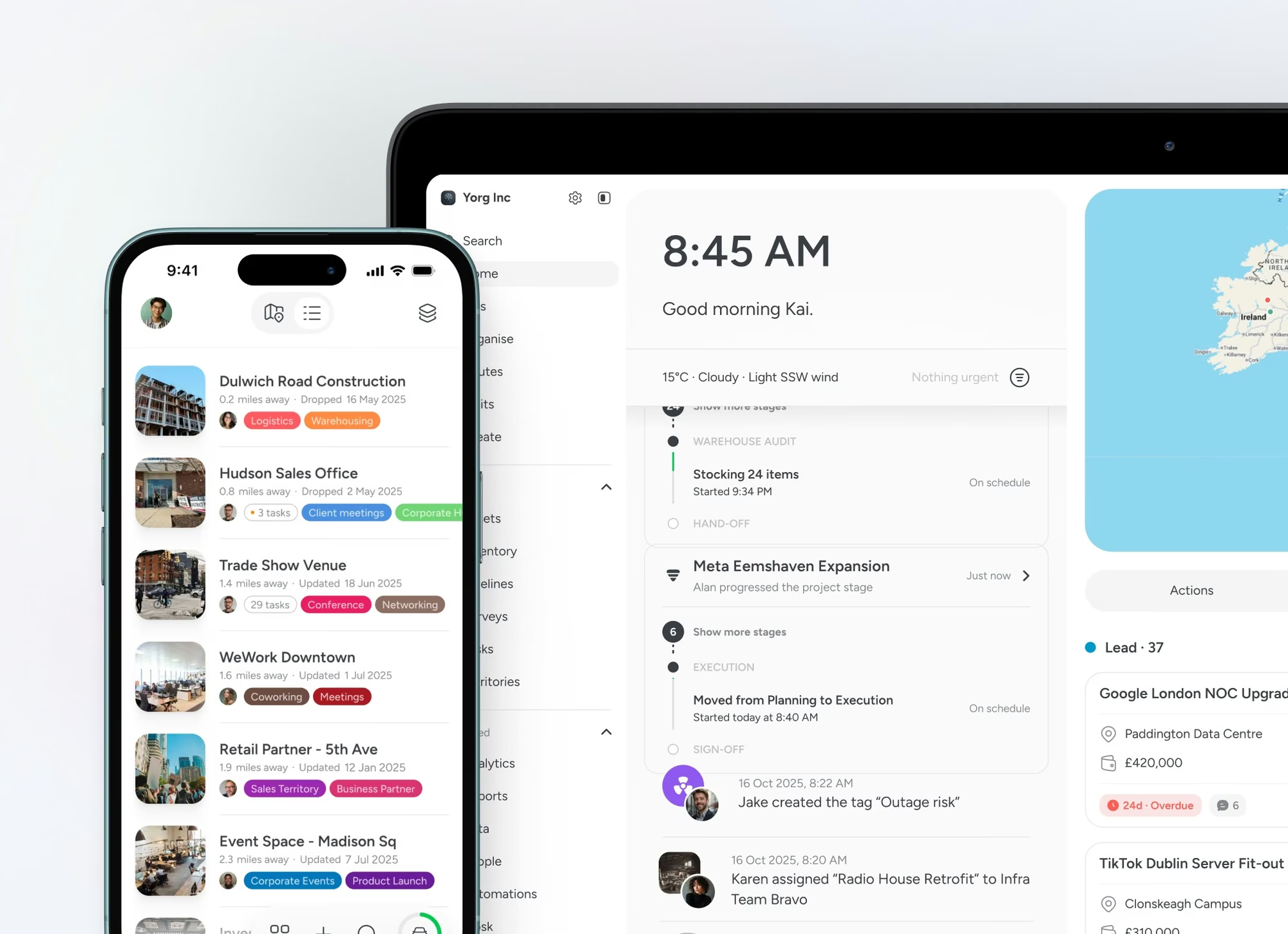
A surveying practice runs on evidence. A condition survey covers dozens of elements, a drainage survey a hundred metres of CCTV, a measured building survey a floor at a time. Every finding is worth exactly as much as its link to the place it came from. That link is what usually breaks. Photographs land in a camera roll, notes in a pad, grades in a spreadsheet, and someone spends an evening reuniting the three before the report can be written. Pin Drop keeps them together from the start. Each finding is a pin holding its own photographs, grade, description and recommendation, on the phone in the field and on the desktop when the report is drafted. Boundary, topographic, party wall, damp, asbestos, drainage and pre-purchase work all sit on the same map, and the practice keeps the record long after the report is issued.
Structured records, consistent across surveyors.
Element type, reference, material, condition grade and remaining life capture the same way whoever is on site. Surveys stay comparable across a portfolio and across years.
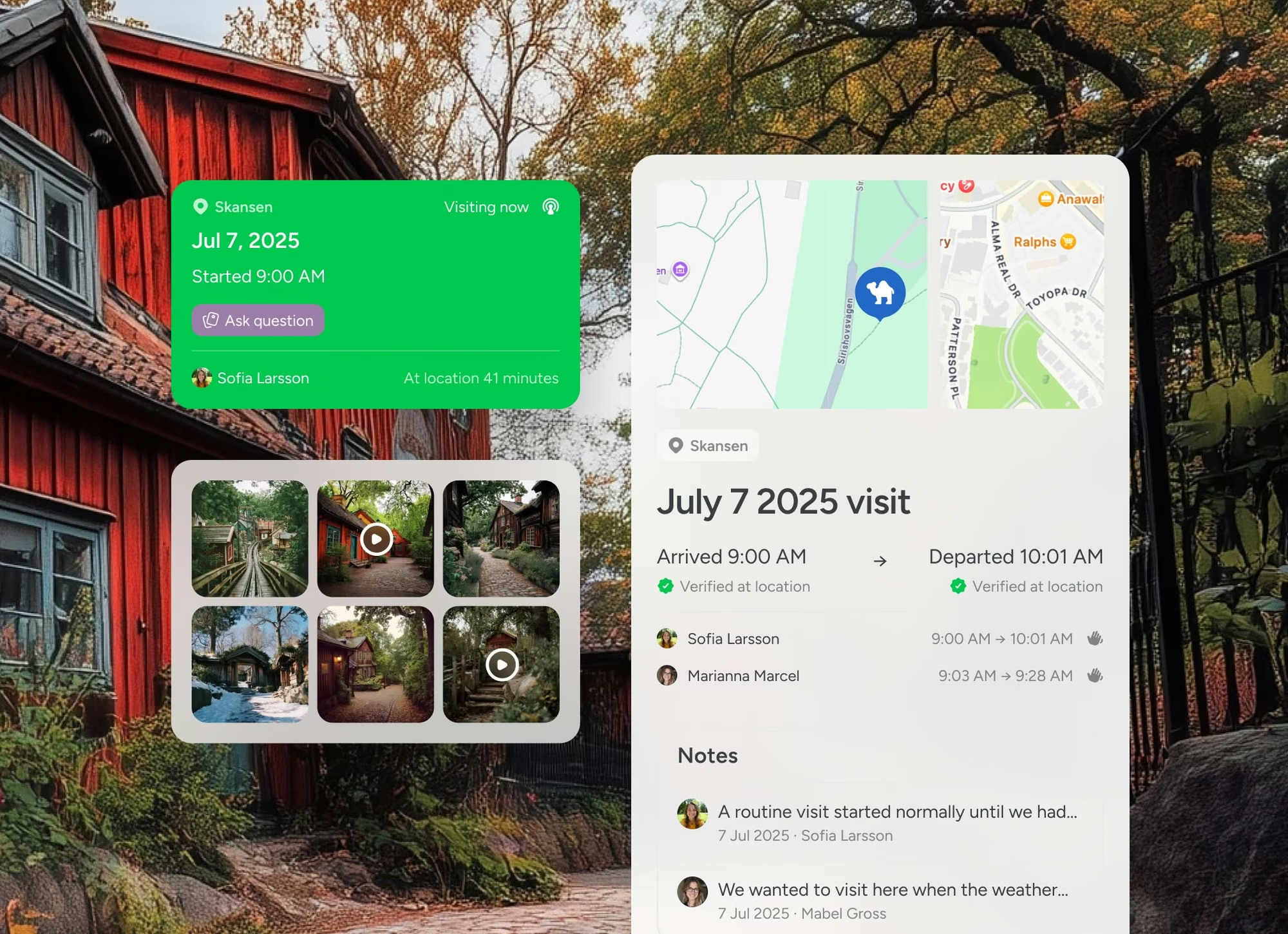
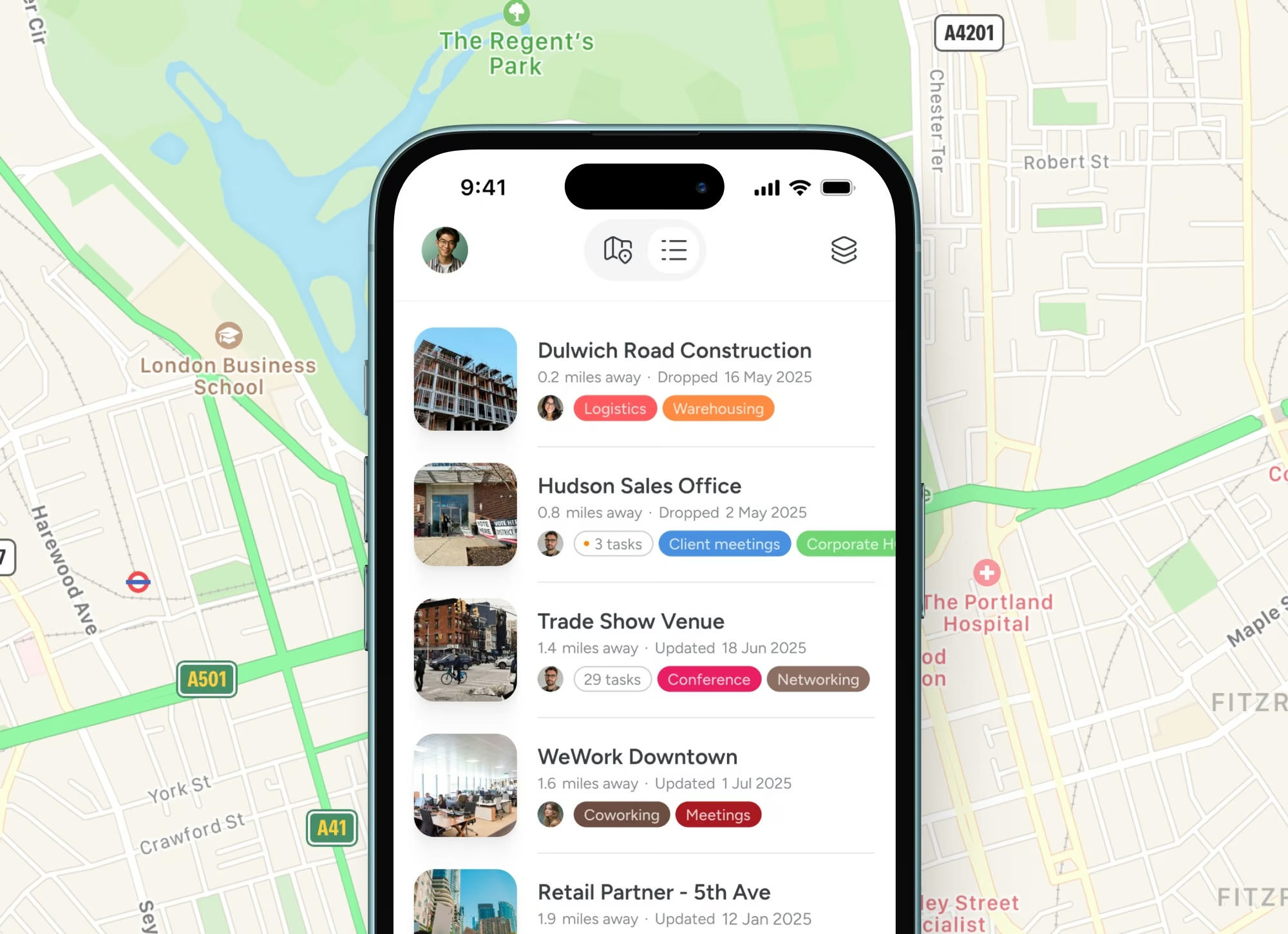
Graded in place, on the phone.
Work room by room or manhole by manhole, photographing and grading as you go, offline where there is no signal. The survey is finished when you leave site, not when you have typed it up.
The report, drawn from the record.
Findings, photographs and recommendations export as the pack the client, insurer or lender expects. The practice keeps the underlying map, so the next instruction at that address starts from what you already know.
Trusted at scale
Used by 10,500+ organisations.
10,000+
Verified organisations
613
At $1B+ revenue
360
10,000+ employees
17+
Sectors represented

Amazon

Nike

Adobe

Oracle

Pfizer

Nestlé

PepsiCo

Mars

Walmart

Whole Foods

M&S

Mastercard

Capital One

Barclays

AT&T

Toyota

Volvo

Bosch

Bayer

BASF

Philips

UPS

Kuehne+Nagel

BT Group

NHS

Abbott

ADP

Cargill

Veolia

Paramount
FAQS
Questions people ask
Which kinds of survey does Pin Drop suit?
Anything where the finding belongs to a place. Practices use it for condition and defect surveys, damp and asbestos, party wall and boundary, topographic and measured building, drainage and CCTV runs, and pre-purchase inspections. The map does not care which discipline you are in, only that the evidence has a location.
Can surveyors work offline on site?
Yes. Pins, photographs and notes capture on iPhone and Android with no signal and sync when you are back in range. That covers basements, plant rooms, rural sites and anywhere behind thick walls, which is most of where survey work actually happens.
Can I import our existing sites and client list?
Yes. Bring addresses in from a spreadsheet or CSV, organise them into shared maps and add notes, photographs and visits against each pin. Export to CSV, GeoJSON, KML or SHP whenever you want them back out, so the record is never locked in.
Does Pin Drop write the survey report?
No, and it does not try to. Pin Drop holds the findings, photographs, grades and recommendations against the places they came from, then exports them so your report is built from the survey rather than reassembled from a camera roll and a notepad. The report template stays yours.
How much does Pin Drop cost for a surveying practice?
Pin Drop is billed per seat, with a 14 day trial that takes no card. The free plan is for personal use, so a practice starts on the trial or a paid plan. See the pricing page for current plans. Support is not a paid upgrade: every plan gets a response from the team within one business day.
Infrastructure and utilities


