

Oil, Gas & Industrial Energy
The shared map upstream and downstream operators run from
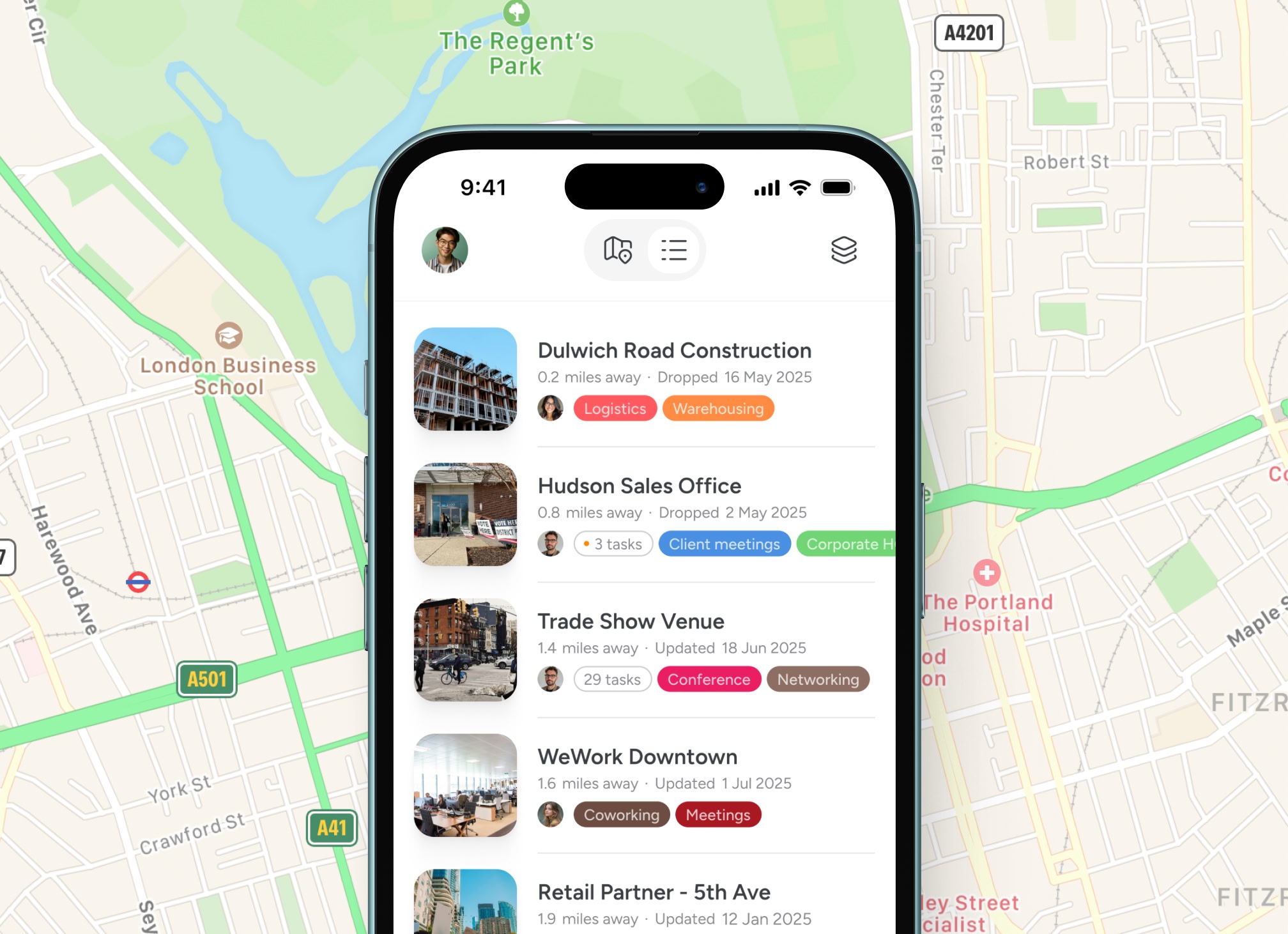
Operations leads, integrity engineers and turnaround planners use Pin Drop to map wellheads, pipelines, process units and outage scopes, and to keep permit-to-work, isolation points and inspection history pinned to the asset they belong to.


BEST OF 2013
Rated 4.7/5


FEATURED APP

Distributed assets that span counties, not corridors
An onshore gas operator running a gathering field across the East Midlands has wellheads, separators, metering skids, gathering lines and a central processing facility. Pin Drop holds each asset on the map with its tag number, its inspection class and its outage state, so the duty engineer at midnight can see the nearest hot work permit before they call out a crew.

Permit-to-work that travels with the engineer
A permit-to-work has a permit area, an isolation list, a competent person and a window. Pin Drop holds the permit polygon, the isolation valves and the certificates as map objects. The engineer arriving at the boundary opens the asset on the mobile app and sees the live permit before they put on the gloves.

Coordinate inspection regions across the field
Asset integrity teams cover hundreds of pipeline kilometres and dozens of process units. Territories drawn around an integrity engineer's region carry the next CUI inspection, the recent thickness readings and the next pressure systems verification window, all on the asset.

COMAH sites with the records the regulator expects
An upper-tier site under the Control of Major Accident Hazards Regulations 2015 has reporting obligations on inventory, on inspection and on safety case maintenance. Pinning the inventory location, the bund boundary, the leak detection coverage and the inspection trail to the asset means the safety case is anchored to the geography it describes. Rated 4.7 out of 5 from over 1,400 reviews.
Turnaround week, mapped
Built for the work that happens during a planned shutdown

From outage scope to mechanical completion
A turnaround on a midstream processing facility is the operational version of a controlled emergency. Two weeks of planning per day on site. Hundreds of work packs that all have to land on the right vessel, the right valve and the right column tray. Pin Drop carries the turnaround scope as map objects on the live asset hierarchy. The planner draws the outage zones, drops the scaffolding pins, attaches the lifting plan to the crane spot and sequences the inspection scope by area. The day shift superintendent walks the unit on day three with a tablet, sees the open work, the live permits and the spade locations, and signs work off in front of the asset rather than back in the porta-cabin. Mechanical completion data assembles itself from pins that were closed live during the run. The same workspace handles the routine inspection year between turnarounds. Pin Drop is rated 4.7 out of 5 from over 1,400 reviews.


Testimonials
Trusted by upstream, midstream and downstream energy operators
Used by onshore gas operators, refinery teams, midstream gathering networks and industrial energy facilities. Rated 4.7 out of 5 from over 1,400 reviews.




“Territory ownership and inspection tracking are measurable across all operational zones.”

Patrick O’Connell
Regional Infrastructure Supervisor
"Offline mode is a lifesaver. I can drop pins in remote areas, add notes, and sync them back when I’m back in range. Way better than what we were using before."

Emily
Field Engineer
“Having every asset structured on a shared map has transformed how we coordinate inspections across regions.”
Daniel Marcel
Energy Operations Manager
Guided walkthrough
See energy operations on a shared map
Walk through how a turnaround planner sets the outage scope, dispatches the inspection scope by area and signs work off in front of the asset rather than back in the office.


