

Telecommunications & Network Operations
The shared map telecoms field teams run their networks from
Survey teams, build supervisors and network ops engineers use Pin Drop to map towers, fibre joints, customer drops and the wayleaves that gate every dig, so the patch stays moving while the paperwork stays defensible.


BEST OF 2013
Rated 4.7/5


FEATURED APP

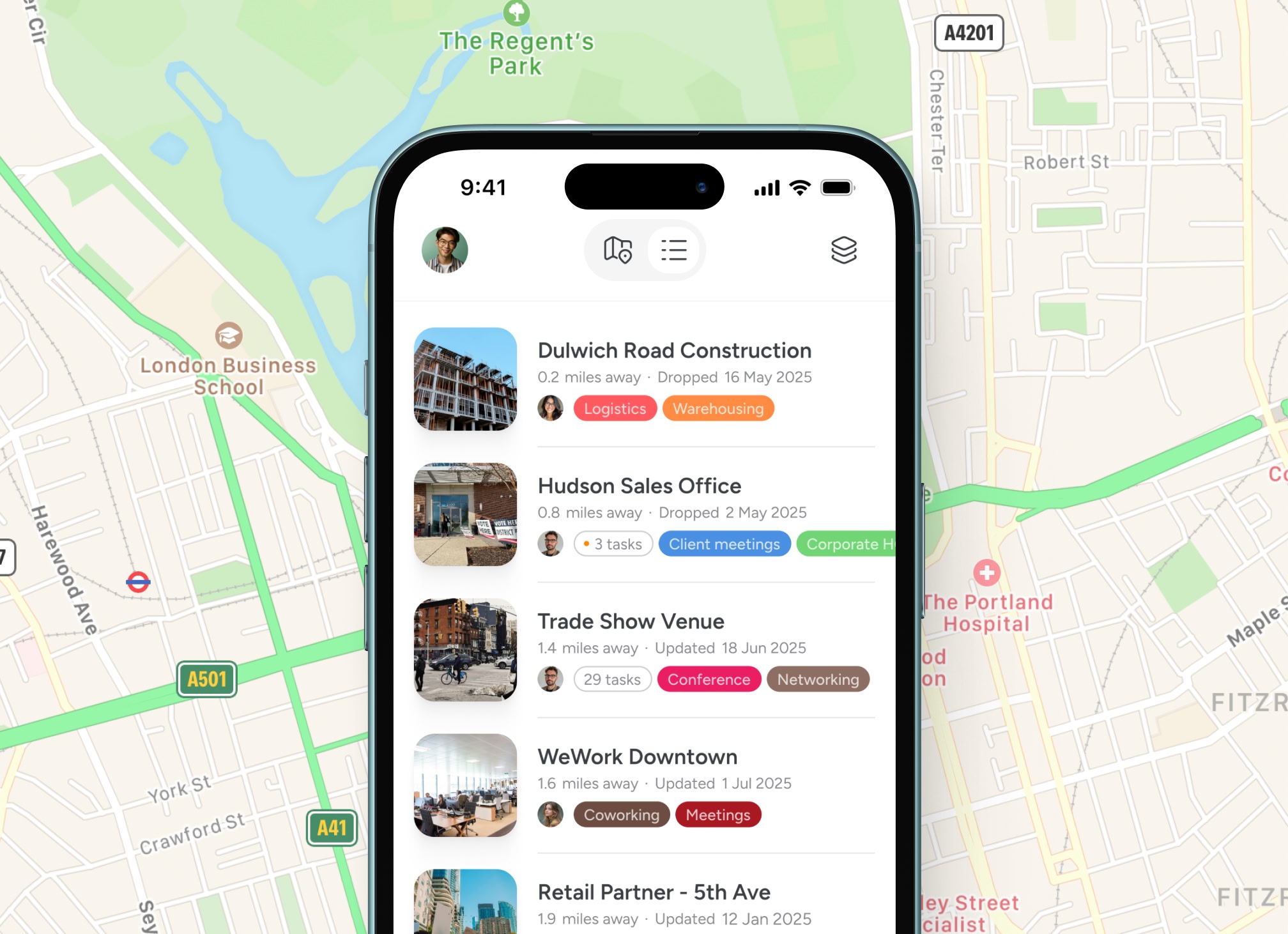
Every cabinet, joint and tower in one view
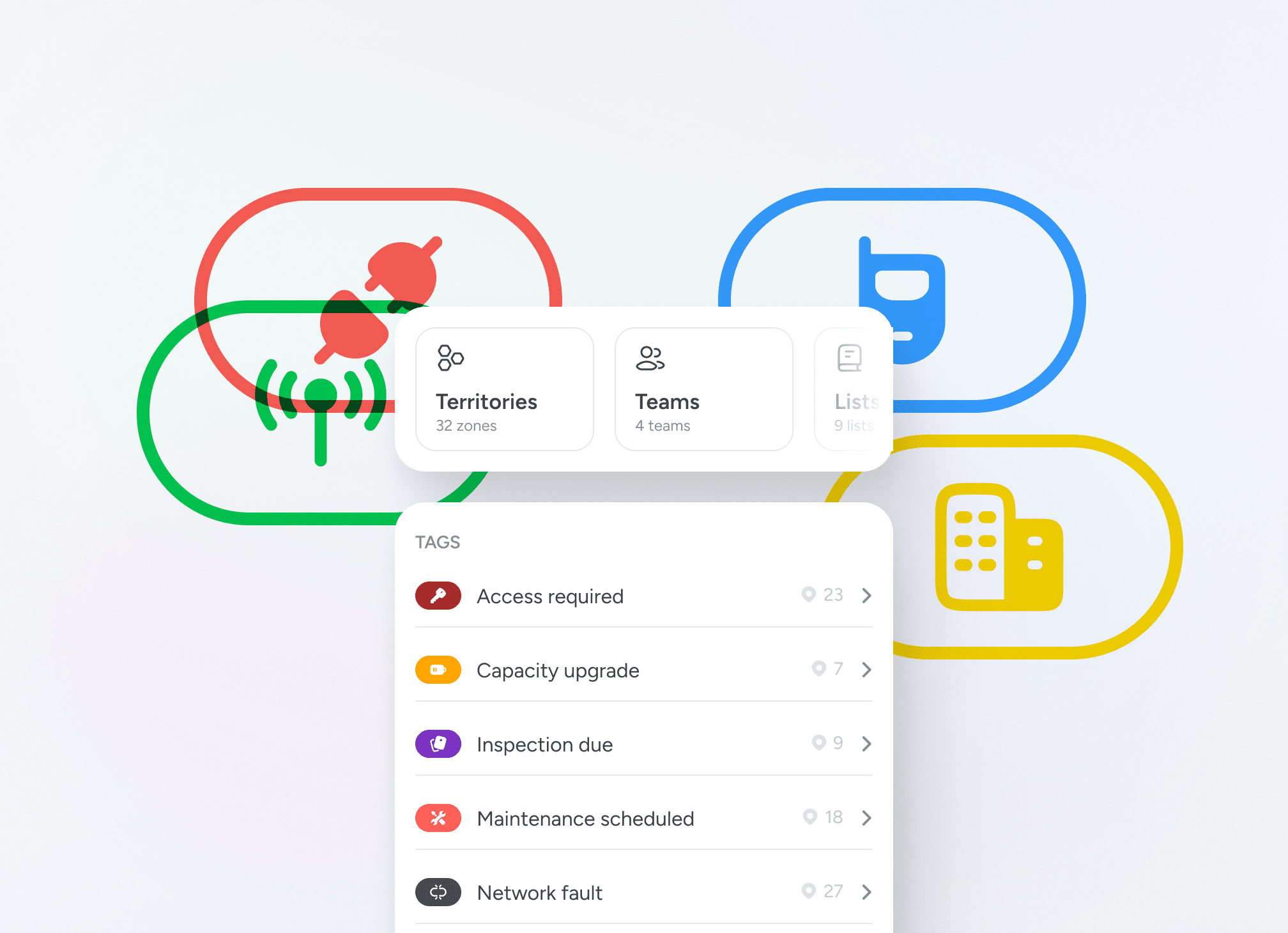
An altnet rolling out FTTP across three Welsh valleys has thousands of joint chambers, hundreds of cabinets and a moving build front. Pin Drop holds the whole network as a layered map, with the survey, build and as-built status visible on each pin so the field manager knows what is ready for the splicer this week.

Wayleaves where the cable goes
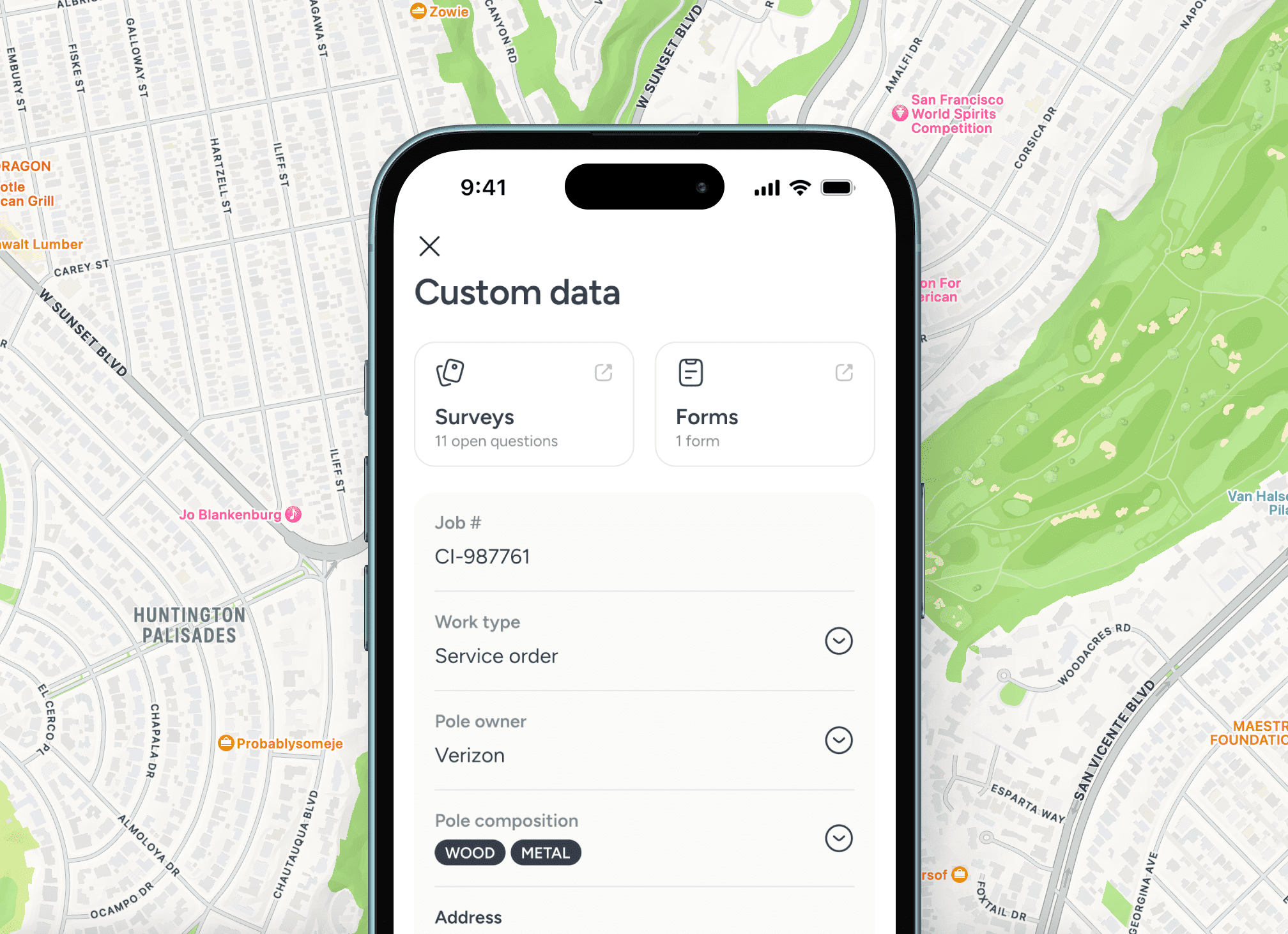
A wayleave is a permission to lay or maintain plant on someone's land. The map keeps the polygon of the affected parcel, the landowner contact, the agreement scan and the renewal date pinned to the spot the cable actually crosses. When a fault crew arrives, the wayleave note appears at the same time as the fault ticket.

Tower climbs, RAMS and the right risk view
A tower climb needs the structure, the height, the wind reading, the rescue plan and the permit before the riggers leave the van. Pin Drop holds the RAMS pack, the LOLER inspection date and the access track on the tower pin, and the field engineer opens it on the mobile app at the gate.

Streetworks permits without the spreadsheet
Civils crews working under the New Roads and Street Works Act 1991 need to know which permits are live, which are about to expire and which are blocked. Pinning the permit area to the map alongside the build front means the build supervisor and the streetworks coordinator are reading the same picture.
Survey to build to as-built, on one map
From wayleave to splicing, on the same workspace
Field workflows that stay tied to the cable run
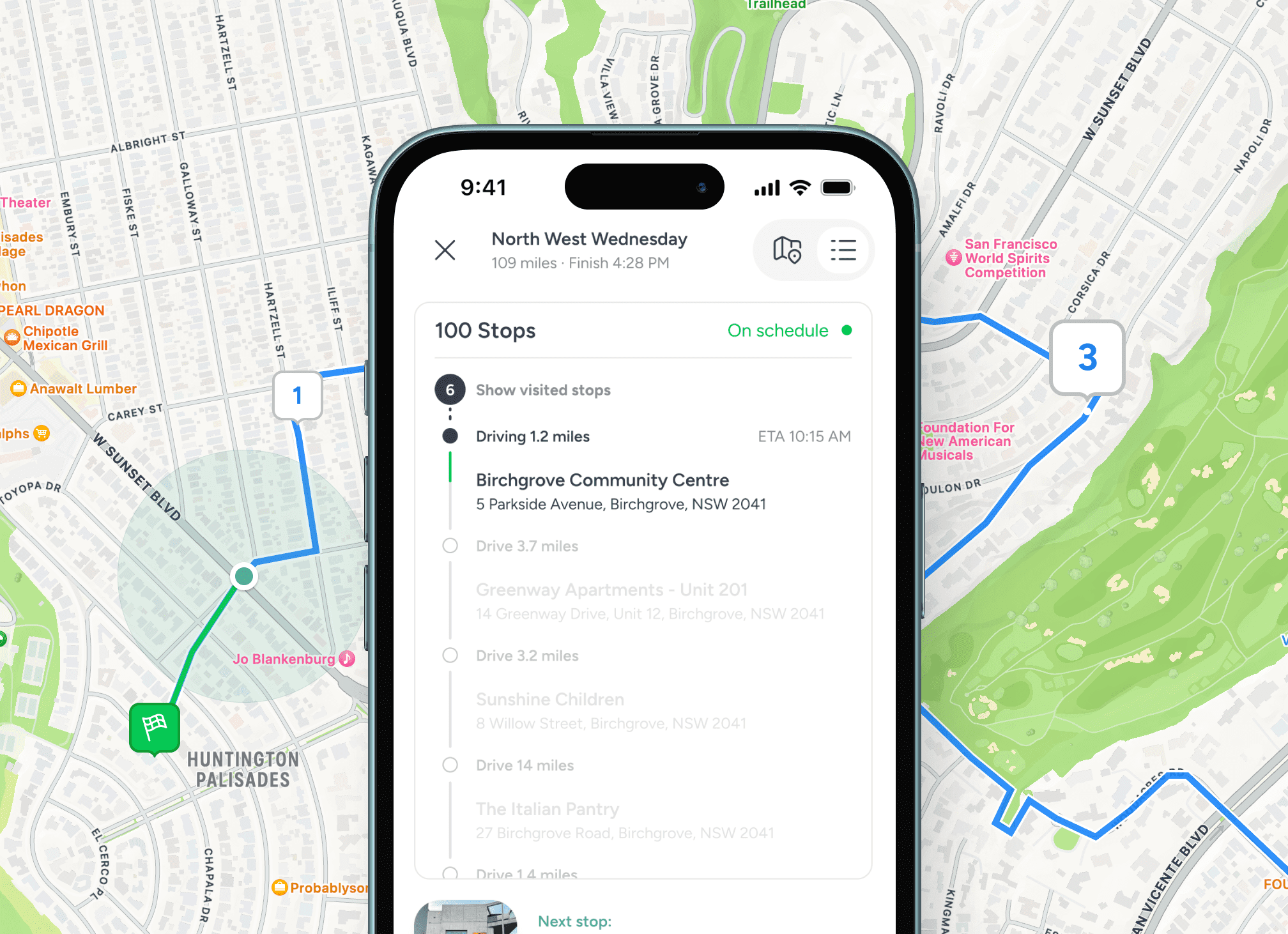
A telecoms build is a sequence of dependencies that move down a street. The wayleave has to be in place before the dig. The dig has to finish before the duct goes in. The duct has to be proved before the blow. The blow has to be done before the splice. Each one happens at a specific spot. Pin Drop holds the spot, the dependency and the status on a single map. The survey engineer drops a chamber pin with photos and a depth reading. The build supervisor moves it to amber when the gang is mobilised. The splicer closes it green when the loss reading is in. A network operations manager looking at the patch on Friday sees the build front as a moving line, not as a percentage in a slide. Pin Drop is rated 4.7 out of 5 from over 1,400 reviews.
Testimonials
Trusted by UK telecoms, altnet and tower operators
Used by altnets rolling out FTTP, mobile network operators running tower estates and managed service partners doing the day-to-day field work. Rated 4.7 out of 5 from over 1,400 reviews.






“Having every tower and site structured on a shared map has improved coordination across our engineering teams.”

Laura Klinger
Network Operations Manager
“Logging inspections directly against each site keeps our infrastructure records organised.”
Chris Moxon
Fibre Deployment Lead
“We finally have visibility across our network without relying on separate systems.”
James Taylor
Infrastructure Director
Guided walkthrough
See network field work on a shared map
Walk through how a build supervisor reads a moving build front, dispatches the splicing gang to the next ready cabinet and signs off the as-built record from a single workspace.


